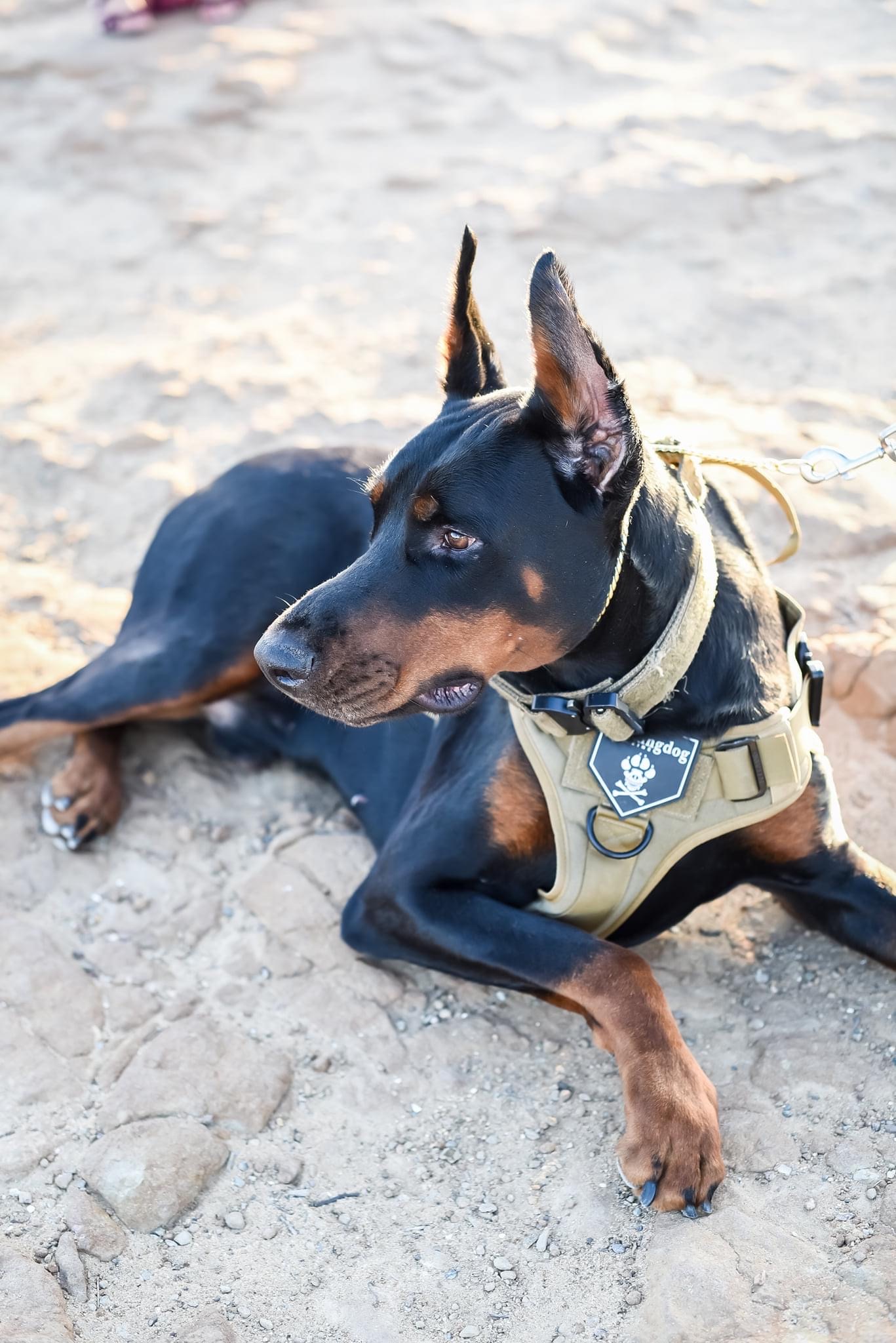


Potty training is one of the first (and most important) lessons your dog will learn. Whether you’re working with a young puppy or an older rescue, consistency, patience, and positive reinforcement are the keys to success. This guide walks you through the process step by step so you can build good habits—and a clean home—together.
⸻
- Understand Your Dog’s Schedule
Dogs thrive on routine. Most dogs need to go potty:
• First thing in the morning
• After eating or drinking
• After waking from a nap
• After playtime
• Right before bedtime
Puppies usually need to go every 2–3 hours, while adult dogs can hold it longer. Learning your dog’s natural rhythm will help you prevent accidents before they happen.
⸻
- Choose a Designated Potty Spot
Pick one outdoor area where you want your dog to relieve themselves. Taking your dog to the same spot every time helps them associate that location (and smell) with going potty. This speeds up learning and builds consistency.
Tip: Keep potty breaks boring—no playtime until after they’ve gone.
⸻
- Use a Consistent Command
Choose a simple phrase like “Go potty” or “Do your business.” Say it calmly when your dog starts to go. Over time, your dog will connect the command with the action, making it easier to prompt potty breaks on demand.
⸻
- Reward Immediately and Enthusiastically
The moment your dog finishes going potty in the right place:
• Praise them warmly
• Use a happy, encouraging tone
Timing matters. Rewards must happen immediately so your dog understands exactly what they did right.
⸻
- Supervise Indoors and Limit Freedom
Until your dog is reliably potty trained:
• Keep them in the same room as you
• Use baby gates or a leash indoors if needed
• Watch for warning signs like sniffing, circling, or whining
If you can’t supervise, use a crate or small confined area to prevent accidents.
⸻
- Use Crate Training Wisely
Dogs naturally avoid soiling their sleeping area. A properly sized crate (not too big) can help your dog learn bladder control.
Crate guidelines:
• Never use the crate as punishment
• Take your dog out immediately after letting them out
• Gradually increase crate time as your dog improves
⸻
- Handle Accidents the Right Way
Accidents are part of the process—don’t panic.
• Never punish or scold your dog
• Clean accidents thoroughly with an enzyme cleaner
• If you catch them mid-accident, calmly take them outside
Punishment can create fear and confusion, slowing progress instead of helping.
⸻
- Be Patient and Stay Consistent
Potty training doesn’t happen overnight. Some dogs learn in weeks, others take a few months. Progress depends on age, breed, background, and consistency.
Stick to your routine, celebrate small wins, and remember: every successful potty break is a step closer to a fully trained dog.
⸻
Final Thoughts
Potty training is as much about teaching you as it is about teaching your dog. With a predictable schedule, positive reinforcement, and patience, your dog will learn where and when to go. The effort you put in now will pay off with years of good habits and a stronger bond.
🐾 You’ve got this—happy training!